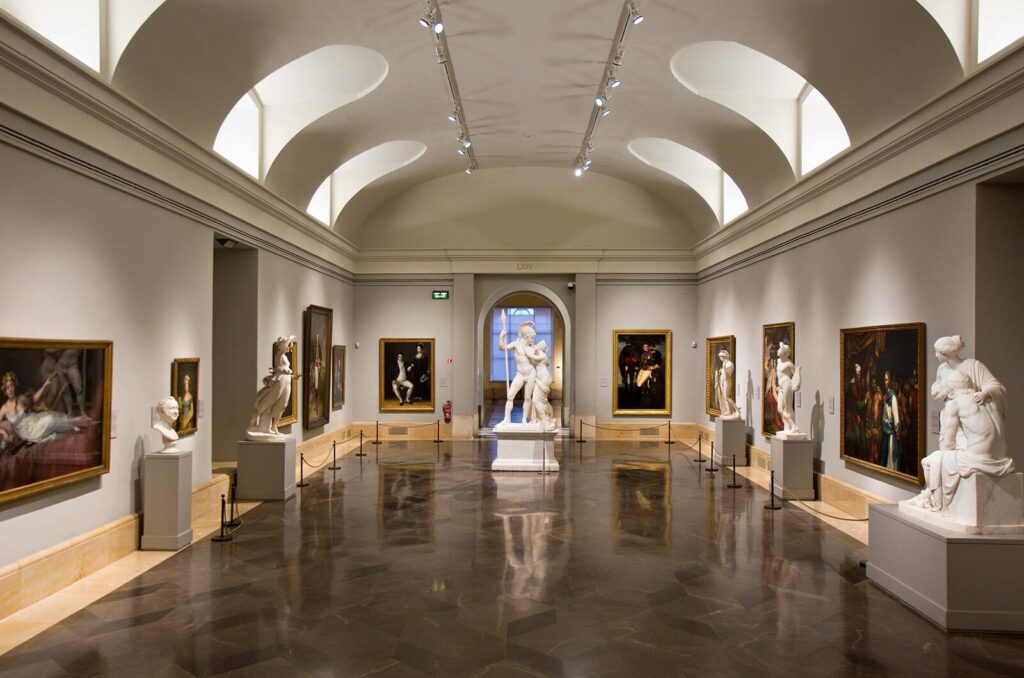
Art collecting is one of the most intellectually rewarding forms of wealth management. Unlike stocks or bonds, great art enriches daily life while simultaneously building financial value. Here is how the world’s most sophisticated collectors approach the market.
Why Collect Art?
The world’s great private art collections share a common characteristic — they were built by passionate collectors who bought what they loved, not what they thought would appreciate. The financial returns came as a consequence of educated taste and long-term commitment, not speculation.
That said, the art market has delivered extraordinary returns for knowledgeable collectors. The Mei Moses Art Index has historically outperformed the S&P 500 over long periods, and individual works by blue-chip artists — Basquiat, Koons, Hirst, Kusama — have appreciated by thousands of percent over the past two decades.
Where to Buy
Auction Houses
Christie’s, Sotheby’s and Phillips represent the three pillars of the global auction market. Their twice-yearly evening sales in New York and London are the barometers of the contemporary art market. The top lots at these sales routinely achieve eight and nine-figure prices.
Buying at auction offers transparency — you know exactly what other buyers are willing to pay. The downside is buyer’s premium, which can add 25–27% to the hammer price.
Galleries
Working with galleries — particularly those representing artists at the beginning of their careers — offers the opportunity to build relationships and access works before they reach the secondary market. The leading galleries — Gagosian, Hauser & Wirth, David Zwirner, White Cube — represent the most commercially significant artists working today.
Art Fairs
Art Basel, Frieze and TEFAF are the three most important art fairs in the world. They compress months of gallery-going into a single week and allow collectors to survey the global market efficiently. VIP previews — available only to serious collectors and institutions — offer first access to the most significant works.
Building a Collection
The most important advice for new collectors is deceptively simple: buy what you love. A work of art you live with every day must give you pleasure regardless of its market performance.
Beyond personal taste, educated collectors focus on: the artist’s trajectory and museum exhibition history, the quality and condition of the specific work, provenance and exhibition history, and the relationship between the asking price and recent comparable sales.
Storage and Insurance
Serious collections require professional storage, conservation and insurance. Fine art storage facilities — such as those operated by Geneva Freeport — offer museum-standard climate control and security. Fine art insurance is a specialist field; the leading underwriters include AXA Art and Chubb.
Safarelite curates premium lifestyle and luxury listings from around the world. Browse our collections for the finest products and experiences.
DE: Dieser Beitrag enthält Affiliate-Links. Wenn Sie über diese Links kaufen, erhalten wir eine Provision – für Sie entstehen keine Mehrkosten.
EN: This post contains affiliate links. We may earn a commission if you purchase through these links, at no extra cost to you.