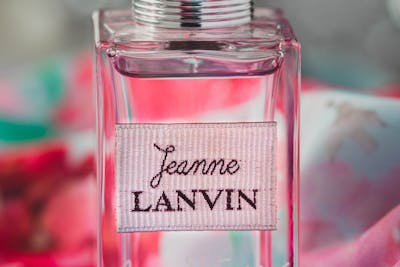
In the history of luxury fashion, no house carries a longer or more significant heritage than Lanvin. The Paris house — founded by Jeanne Lanvin in 1889 and the oldest continuously operating fashion house in the world — has survived a century and a half of creative transitions, ownership changes and commercial challenges to remain one of the most historically significant and most emotionally resonant names in the luxury fashion landscape.
In 2026, under the creative direction of Bruno Sialelli and with the financial backing of its Fosun Fashion Group ownership, Lanvin is in the middle of what may be its most important creative and commercial repositioning since the house’s post-war revival.
The Jeanne Lanvin Legacy
Jeanne Lanvin founded her millinery business on the Rue du Faubourg Saint-Honoré in 1889, initially producing hats before expanding into children’s clothing and subsequently into women’s fashion as her clients requested versions of the extraordinary clothes she dressed her daughter Marguerite in. This mother-daughter relationship — which is commemorated in the house’s logo, designed by illustrator Paul Iribe in 1907 — is the most personal and most distinctive founding story in the history of luxury fashion.
Jeanne Lanvin’s approach — which emphasised the relationship between a woman and the clothes she wears rather than the abstract ideal of fashion — produced work of extraordinary emotional intelligence. The robe de style, the embroidered evening gowns and the extraordinary colour palette that she developed through her collaboration with the painter Renard created a body of work that is now recognised as among the most technically accomplished and most emotionally resonant in the history of French couture.
The Lanvin Blue
The Lanvin blue — a specific shade of ultramarine that became associated with the house through Jeanne Lanvin’s personal passion for the colour and its application across her collections and interiors — is one of luxury fashion’s most distinctive and most immediately recognisable colour signatures. The shade, which appears in the house’s packaging, its boutique interiors and across its collections, communicates the Lanvin identity with a directness and an elegance that no logo or monogram can match.
The Bruno Sialelli Chapter
Bruno Sialelli’s appointment as Creative Director in 2019 — following the brief and unsuccessful tenure of Olivier Lapidus — represented a genuine creative opportunity for a house that had lost its way commercially and creatively through years of inconsistent leadership. Sialelli’s approach, which draws on the house’s extraordinary archive alongside references from art, cinema and subcultural aesthetics, has produced work of genuine intelligence and genuine distinctiveness.
The collections have attracted critical attention for their willingness to engage with the full complexity of the Lanvin heritage — the embroidery tradition, the robe de style silhouette, the Lanvin blue — while finding contemporary expressions of these references that feel genuinely current rather than nostalgic.
The Curb Bag
The Lanvin Curb bag — introduced under Sialelli’s direction and named for the curb chain hardware that defines its silhouette — is the house’s most commercially successful contemporary accessory and the piece that has most effectively communicated the new Lanvin direction to a contemporary luxury buyer audience. The bag’s combination of the chain hardware aesthetic, which connects to subcultural and streetwear references, with the quality of construction and material that the Lanvin heritage demands, creates a piece of genuine contemporary relevance and genuine luxury credentials.
The Embroidery Heritage
Lanvin’s embroidery programme — which traces its history directly to Jeanne Lanvin’s passion for the craft and the extraordinary atelier she built to execute it — is one of the great technical resources of the French luxury industry. The house’s archive contains thousands of embroidery designs developed across a century of production, and the current team’s engagement with this archive provides a creative resource of extraordinary depth that no other fashion house can access.
For the collector who wants Lanvin pieces with genuine historical significance, the archive-inspired embroideries — whether on evening gowns, accessories or ready-to-wear — represent some of the most technically accomplished and most historically resonant acquisitions available in the Paris luxury fashion market.
The Oldest House Legacy
Lanvin’s status as the world’s oldest continuously operating fashion house provides a cultural authority that no amount of marketing expenditure can manufacture. The house’s survival across 135 years — through two world wars, multiple ownership changes and the full cycle of luxury fashion’s evolution from couture to ready-to-wear to global luxury brand — reflects a resilience and a relevance that the most enduring luxury values always provide.
For the buyer who values the depth of heritage as much as the quality of the current collection, Lanvin provides a connection to the history of fashion that no other house can match.
The Verdict
Lanvin in 2026 is the luxury fashion house for the buyer who values the deepest heritage in the Paris luxury fashion market combined with a contemporary creative direction of genuine intelligence and genuine ambition. Its combination of Jeanne Lanvin’s extraordinary founding story, the house’s 135-year history and Bruno Sialelli’s creative engagement with that legacy makes it one of the most historically significant and most emotionally resonant propositions in contemporary luxury fashion.
Explore Lanvin’s current collections and discover Paris luxury fashion at its most historically resonant and most creatively ambitious.
DE: Dieser Beitrag enthält Affiliate-Links. Wenn Sie über diese Links kaufen, erhalten wir eine Provision – für Sie entstehen keine Mehrkosten.
EN: This post contains affiliate links. We may earn a commission if you purchase through these links, at no extra cost to you.