Sustainability and luxury were once considered incompatible concepts. The production of the world’s finest goods — from leather handbags to superyachts — has historically carried a significant environmental cost. But the most forward-thinking luxury brands are demonstrating that the highest standards of craftsmanship and the lowest environmental impact are not merely compatible — they are increasingly inseparable.
Why Sustainability Matters in Luxury
The luxury consumer of 2026 is fundamentally different from their counterpart a decade ago. Younger high-net-worth individuals — who will inherit an estimated $68 trillion in wealth over the next two decades — place environmental and social responsibility at the centre of their purchasing decisions. Brands that cannot demonstrate genuine commitment to sustainability risk losing the next generation of luxury consumers entirely.
Fashion — The Circular Revolution
The luxury fashion industry has historically been one of the most environmentally intensive sectors in the global economy. The production of leather goods, exotic skins and synthetic fabrics generates significant carbon emissions, water consumption and chemical pollution.
The most progressive luxury fashion houses are responding with genuine innovation. Stella McCartney — the pioneer of sustainable luxury fashion — has spent two decades demonstrating that extraordinary design need not come at environmental cost. The brand uses organic cotton, recycled polyester and innovative bio-based materials that are indistinguishable from conventional luxury textiles.
Kering — the parent company of Gucci, Balenciaga and Saint Laurent — has committed to reducing its environmental impact by 40% by 2035 and has developed the Environmental Profit and Loss methodology to measure and manage its full environmental footprint.
Automotive — The Electric Revolution
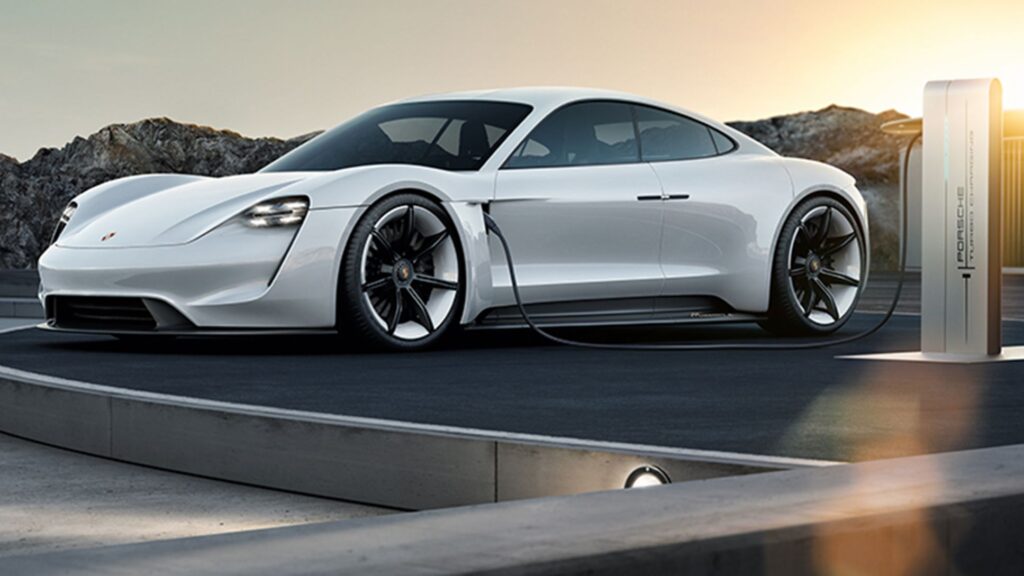
The luxury automotive sector is undergoing its most significant transformation since the invention of the internal combustion engine. Rolls-Royce has committed to offering only electric vehicles by 2030. Bentley will be fully electric by 2030. Ferrari has announced its first fully electric model. Porsche’s Taycan has demonstrated that an electric sports car can be genuinely desirable without compromise.
The Rimac Nevera — the world’s most powerful production car — is fully electric, delivering 1,914 horsepower with zero direct emissions. It represents the definitive proof that performance and sustainability are not in conflict.
Yachting — Wind Power Returns
The superyacht industry — one of the most carbon-intensive sectors in luxury — is beginning to embrace sustainability with genuine conviction. Hybrid propulsion systems, solar panels and hydrogen fuel cells are increasingly standard on new builds. The Black Pearl — a 106-metre sailing superyacht — uses a revolutionary regenerative propulsion system that generates electricity while under sail, potentially achieving net-zero emissions on long passages.
Hotels — The Regenerative Hospitality Model
The world’s most progressive luxury hotels are moving beyond carbon neutrality to active regeneration — not merely reducing their environmental impact but actively restoring the ecosystems in which they operate. Six Senses has committed to becoming carbon negative across its portfolio. Soneva operates entirely on renewable energy and has planted over 350,000 trees across its Maldivian resorts.
Safarelite is committed to featuring brands that lead in both luxury and sustainability. Browse our curated collections today.
DE: Dieser Beitrag enthält Affiliate-Links. Wenn Sie über diese Links kaufen, erhalten wir eine Provision – für Sie entstehen keine Mehrkosten.
EN: This post contains affiliate links. We may earn a commission if you purchase through these links, at no extra cost to you.